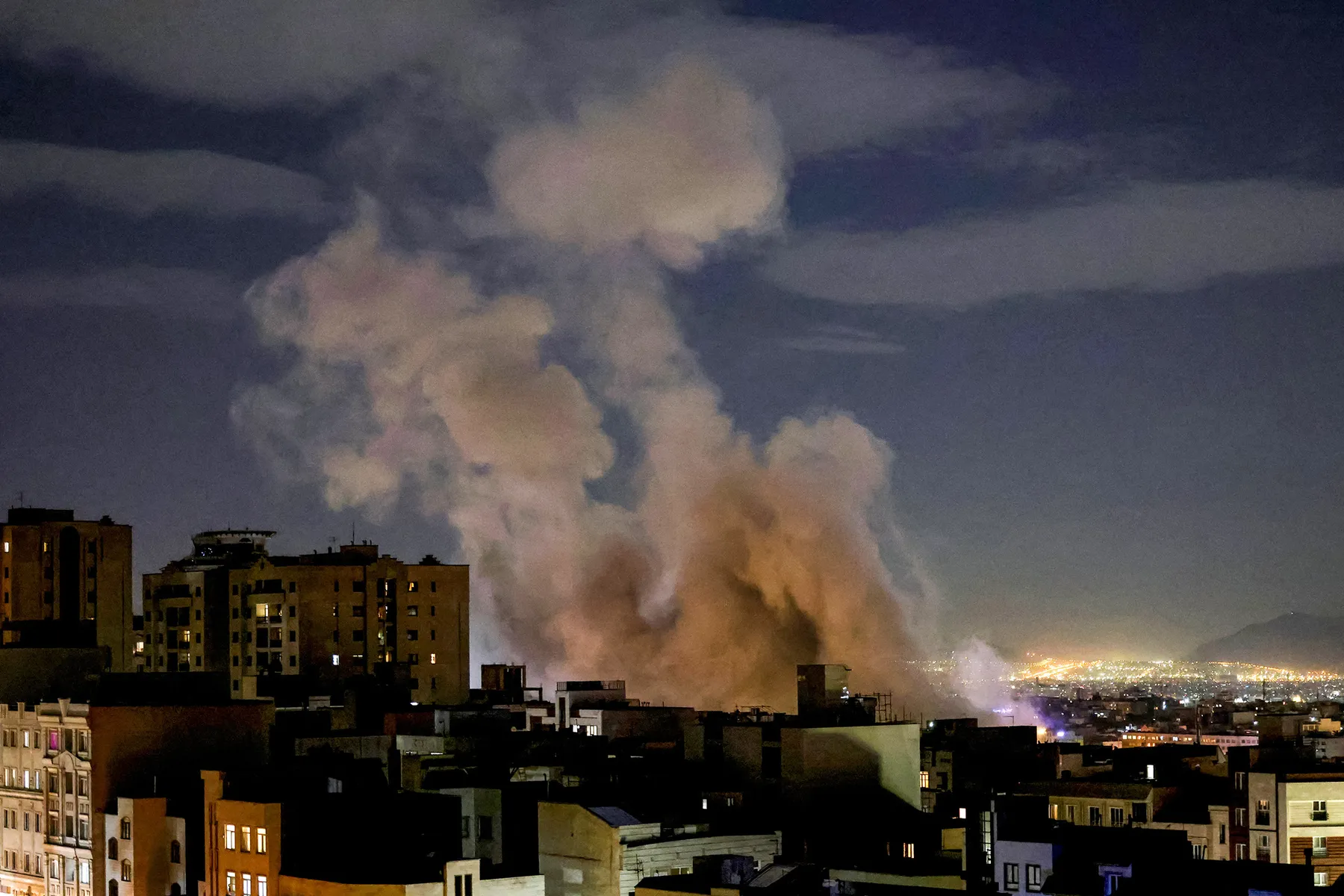


Global Markets Rocked: Stocks Slide as US-Iran Conflict Sends Oil Toward $80
Global financial markets were rattled as escalating tensions between the United States and Iran triggered a sharp sell-off in stocks while oil prices surged toward the critical $80 level. Investors around the world rushed to reassess risk as the conflict threatened to disrupt one of the most important energy routes on the planet.
The sudden shift in sentiment pushed equities lower across major markets while commodities and traditional safe-haven assets rallied.
Oil Prices Surge as War Threatens Global Supply
Energy markets reacted immediately to the geopolitical shock. Brent crude — the global oil benchmark — jumped sharply, briefly climbing above $82 per barrel before settling near the $80 mark as traders priced in potential supply disruptions.

The surge came after military escalation in the Middle East raised fears that oil shipments could be disrupted through the Strait of Hormuz, a critical chokepoint that carries roughly one-fifth of the world’s oil and gas trade.
With tankers stalled and shipping routes under threat, energy traders began preparing for a scenario in which global supply tightens significantly.
Some analysts warned that if tensions persist or infrastructure is damaged, crude prices could eventually move toward $100 per barrel.
Global Stock Markets Slide
While oil rallied, stock markets moved in the opposite direction.
Investors dumped risk assets amid uncertainty about how far the conflict might spread and how long disruptions to global trade could last. European markets dropped sharply, with major indexes losing more than 2 percent in a single session.
Asian markets also struggled, with benchmarks in Japan and Hong Kong slipping as investors reacted to rising geopolitical risks and energy costs.
Futures trading indicated a weaker open on Wall Street as well, signaling that the turbulence was spreading across financial systems.
Airlines and Travel Stocks Hit Hard
Some of the biggest losers were companies tied to global travel.
Airline stocks tumbled as rising oil prices threatened fuel costs and as security concerns disrupted flights across parts of the Middle East. Several carriers saw steep declines while travel and hospitality companies also fell sharply. (Financial Times)
The sudden spike in oil added another layer of pressure to an industry already sensitive to geopolitical instability.
Safe-Haven Assets Rally
As uncertainty spread through markets, investors turned toward traditional safe-haven assets.
Gold prices climbed while the U.S. dollar strengthened, reflecting a broader shift toward security and liquidity during periods of geopolitical stress.
This “risk-off” behavior is common during global crises, when traders temporarily move money away from stocks and into assets perceived as more stable.
Why the Strait of Hormuz Matters
Much of the market anxiety centers on the Strait of Hormuz, one of the most strategically important shipping lanes in the world.
The narrow waterway connects the Persian Gulf to international waters and handles an enormous portion of global energy trade. When tensions rise in this region, markets react quickly because even minor disruptions can affect fuel prices worldwide.
Recent attacks and security warnings have already reduced tanker traffic significantly, adding to fears that supply chains could face prolonged interruptions. (Wikipedia)
Investors Brace for a Volatile Period
Financial analysts say the market reaction reflects a growing concern that geopolitical tensions could spill over into the global economy.
Higher oil prices can feed inflation, raise transportation costs, and slow economic growth. At the same time, uncertainty about conflict makes investors cautious about corporate earnings and business investment.
For now, markets appear to be waiting for clearer signals about whether the situation will escalate further or move toward diplomacy.
A Turning Point for Global Markets?
The events of the past few days highlight how closely tied the global economy is to geopolitical stability.
Energy supply, trade routes, financial markets, and investor confidence all intersect when tensions rise in key regions like the Middle East.
If the conflict continues to intensify, oil markets could remain volatile and stock markets may face continued pressure.
For investors, businesses, and governments alike, the message from the markets is clear: the world is watching closely.


