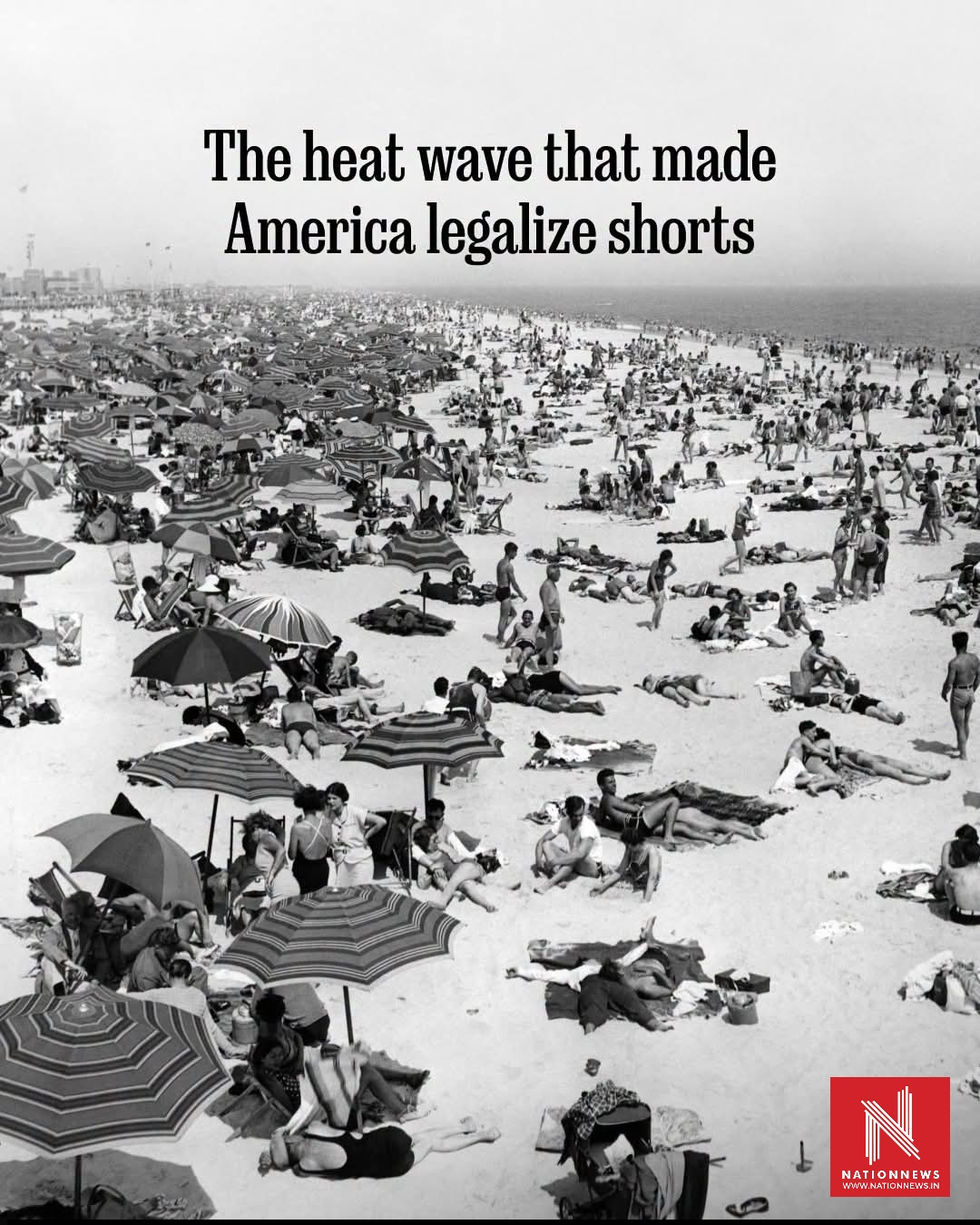


🔥 The Deadly Summer of 1936: How a Record-Breaking Heat Wave Changed America Forever
The summer of 1936 remains one of the hottest and deadliest in North American history. During the peak of the Dust Bowl era, an unprecedented heat wave swept across the United States and Canada, bringing weeks of relentless high temperatures, widespread drought, and thousands of deaths.
More than 11,000 Americans and over 1,000 Canadians lost their lives as temperatures climbed above 110°F (43°C) in many regions, with some locations recording all-time heat records that still stand today. Hospitals were overwhelmed by cases of heatstroke and dehydration, while crops withered, livestock died, and power systems struggled to keep up with soaring demand.

In the Twin Cities of Minneapolis and St. Paul, newspapers reported deaths at an astonishing pace as the crisis intensified. Across the country, schools, businesses, and factories adjusted their schedules, and communities searched for ways to cope with the unbearable heat.
The extreme weather also challenged long-standing social norms. Heavy suits, long dresses, and formal clothing became increasingly impractical in the sweltering conditions. Health experts, workers, and citizens urged authorities to allow lighter, more comfortable clothing. However, many cities still enforced strict public dress codes, and men wearing shorts in public could even face arrest because the garment was considered inappropriate or indecent.
As the heat wave continued, attitudes gradually began to change. Practicality started to outweigh tradition, paving the way for more relaxed summer clothing in public spaces. Over the following decades, shorts, lightweight fabrics, and casual summer attire became increasingly accepted across the United States.
The 1936 heat wave is remembered not only for its devastating human toll but also for reshaping public health awareness, urban planning, workplace practices, and even fashion. It serves as a powerful reminder of how extreme weather can influence society far beyond the immediate crisis.
Today, historians regard the summer of 1936 as a turning point—one that changed the way Americans lived, worked, and dressed during the hottest months of the year.Note: Historical accounts consistently document the deadly 1936 heat wave and its role in changing attitudes toward summer clothing, though specific anecdotes—such as arrests for wearing shorts—varied by city and local ordinances.


